

Data Phoenix Pulse: Tech Talks, Demo Stage, and Robutler Partnership
 Dmytro Spodarets·Oct 8, 2026
 2:49Open Mic
 4:22Open Mic
 3:12Open Mic
 1:10
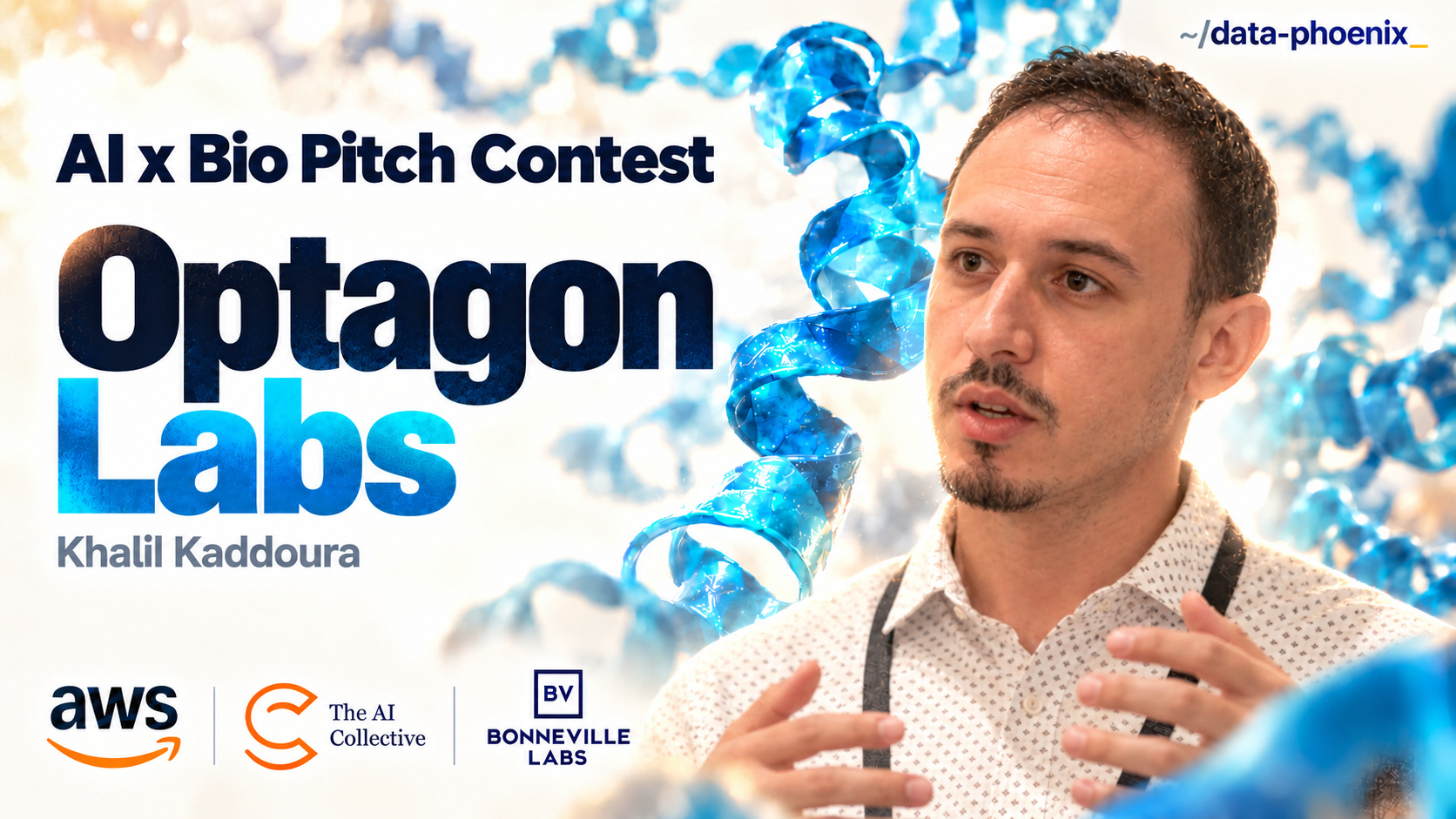 9:25
 7:19
 12:54
 13:49

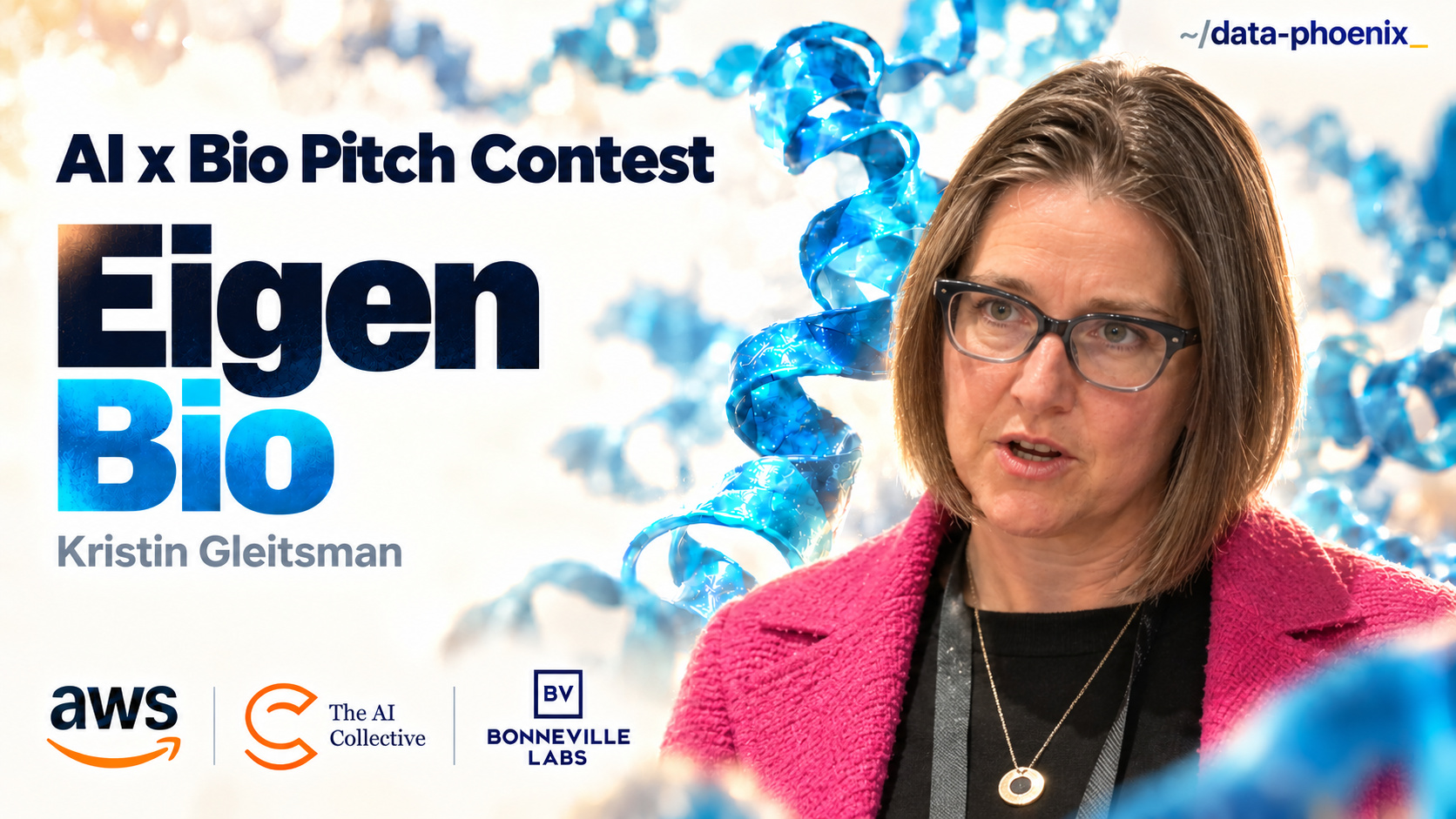
Watch the highlight and five company presentations from the September 29 AI x Bio Pitch Contest in San Francisco, then meet the winning teams.
Dmytro Spodarets·Oct 5, 2026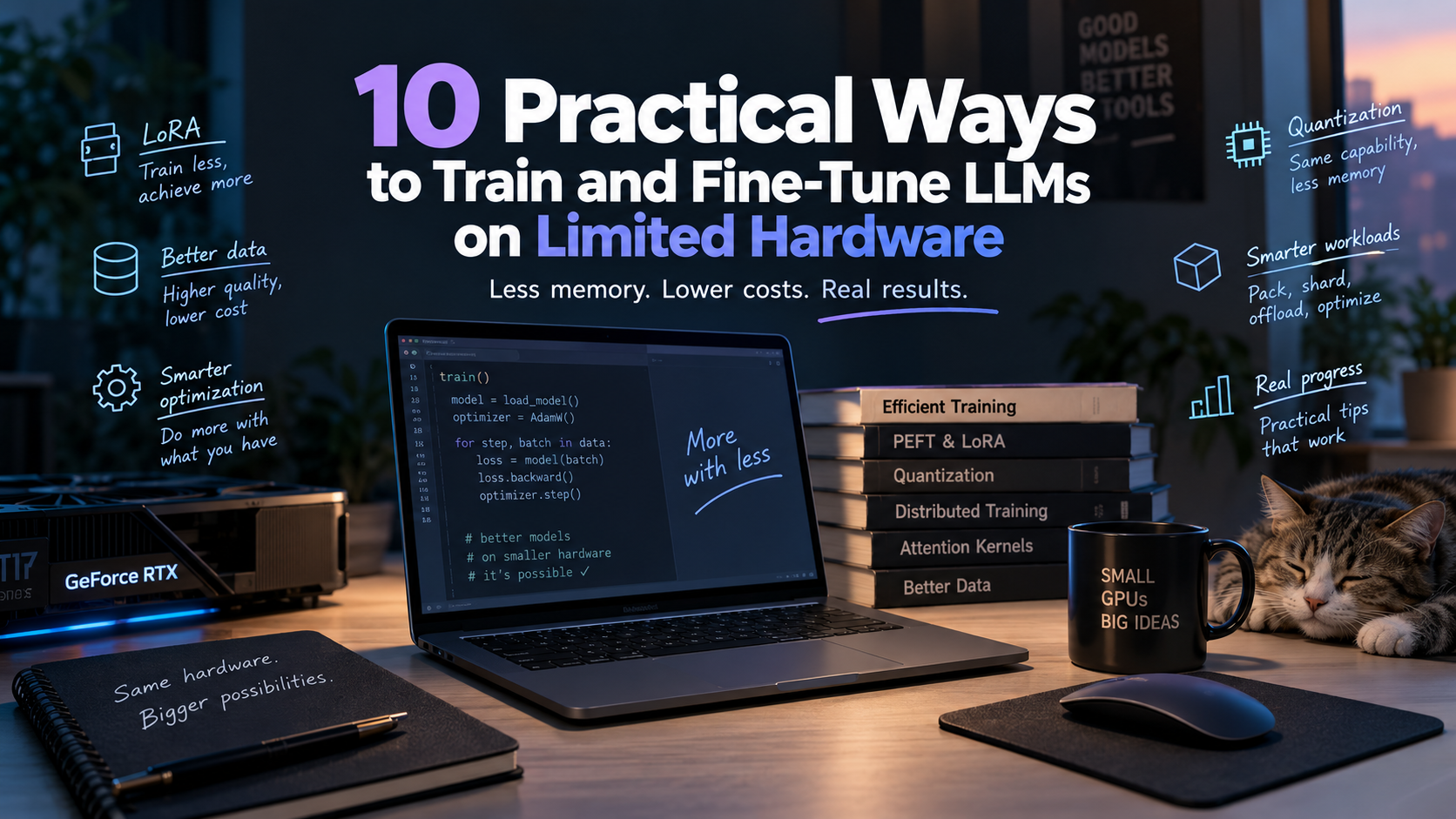
Reduce GPU memory use and training costs with 10 practical techniques, from LoRA and sequence packing to sharding and data selection.
Dmytro Spodarets·Sep 14, 2026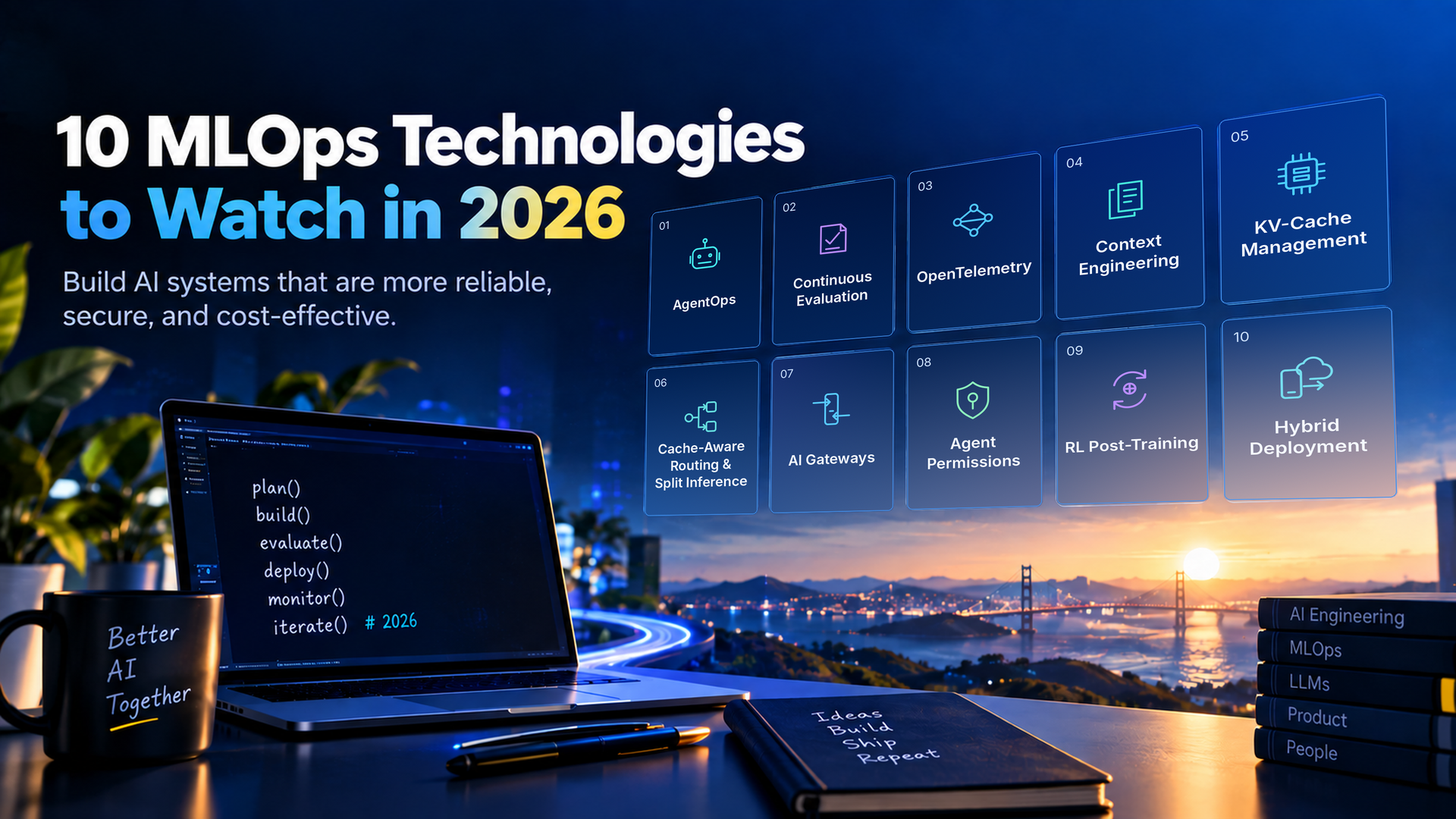
These 10 MLOps trends are worth watching in 2026 for their potential to improve agent reliability, evaluation, context management, inference efficiency, and deployment.
Dmytro Spodarets·Jan 5, 2026Three lists, one email. Pick what fits — unsubscribe with one click.
Dmytro Spodarets·Oct 8, 2026 Dmytro Spodarets·Apr 14, 2026





TSMC’s board cleared investments of up to $500 million apiece in Anthropic common shares and OpenAI preferred stock, but did not say either purchase had closed.

The AI infrastructure provider reported a $709 million net loss as interest expense climbed and management increased its capital-spending forecast.

Private figures described in multiple reports put OpenAI’s third-quarter revenue at about $10 billion, while a reported $10.9 billion operating loss showed that rapid sales growth had not produced profitability.
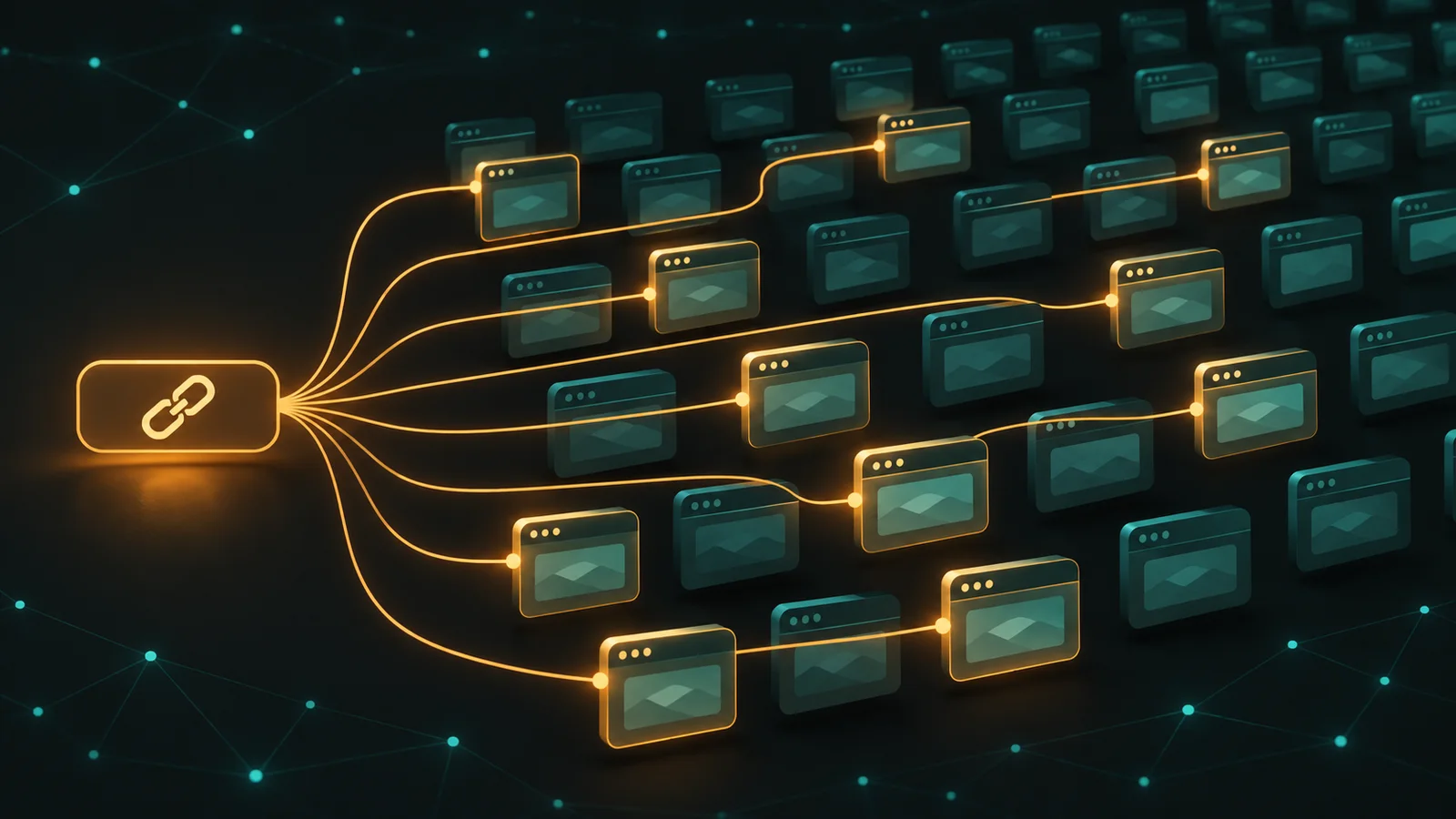
Claroc Research says enumerable Grok Build share links exposed corporate, health and workforce data. At publication, only apps built by SpaceXSI and X staff were known to have been removed.
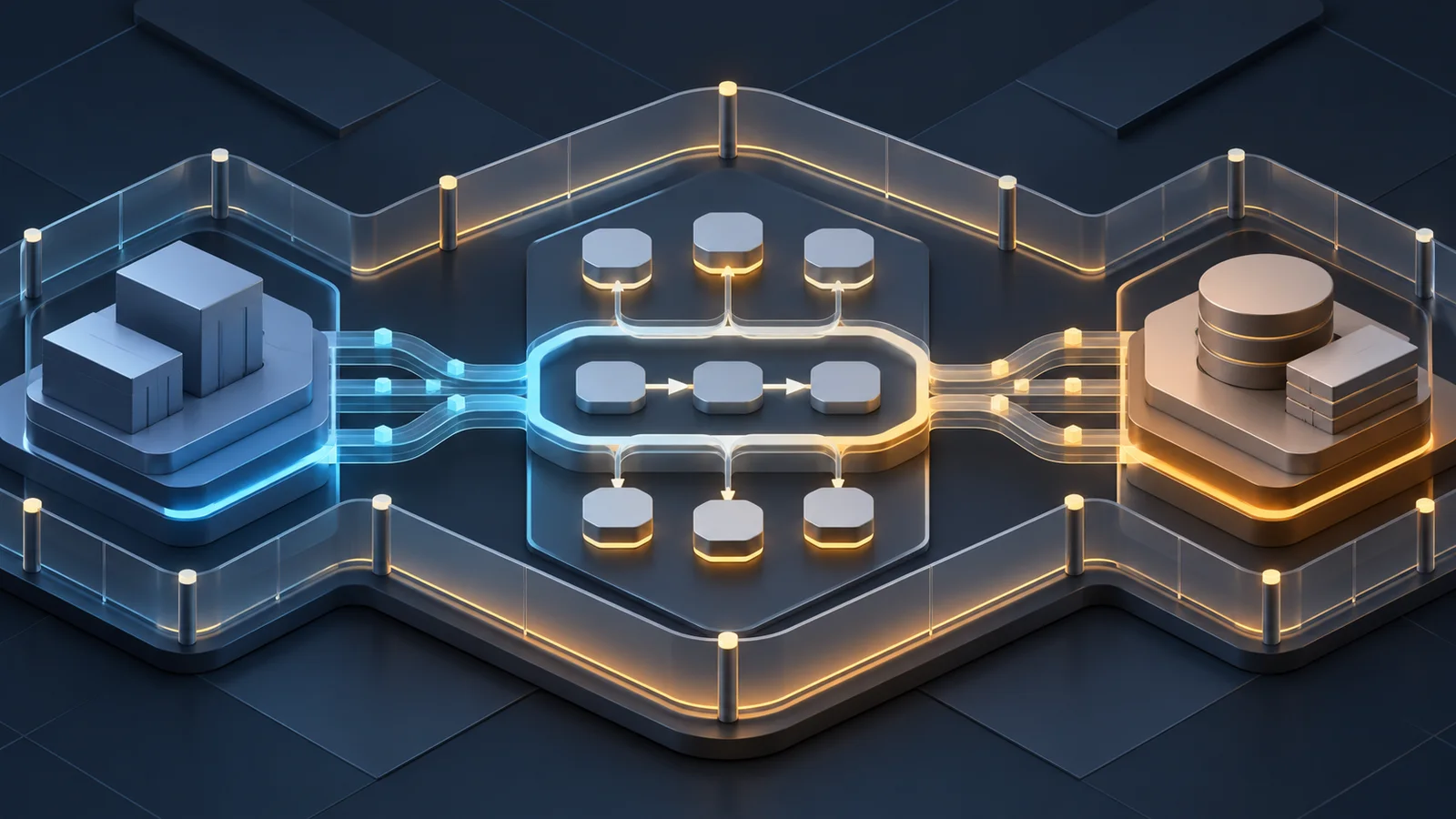
IBM and Microsoft launched Imagine Enterprise, pairing more than 6,000 IBM Consulting agents and assets with Microsoft's enterprise technology stack.
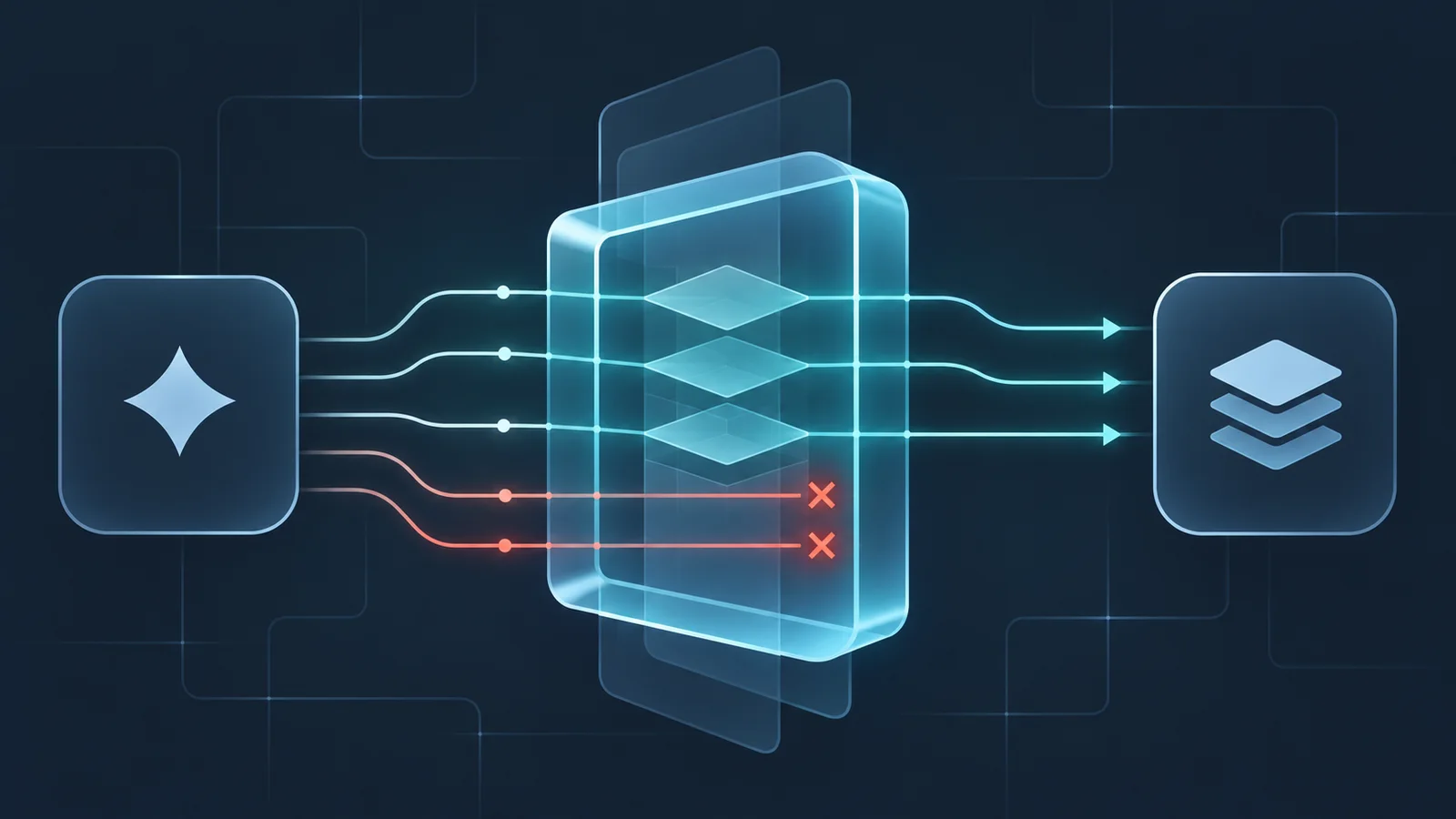
IBM says it worked with Red Hat to contribute the Praxis Policy Engine to the open-source Praxis proxy. The project adds programmable controls for AI-agent and ordinary traffic, but independent security and deployment outcomes remain unproven.

Google has opened Gemini 4 Carbon to paying developers and enterprises, moving the model beyond a limited cyber-defense rollout with introductory API pricing.
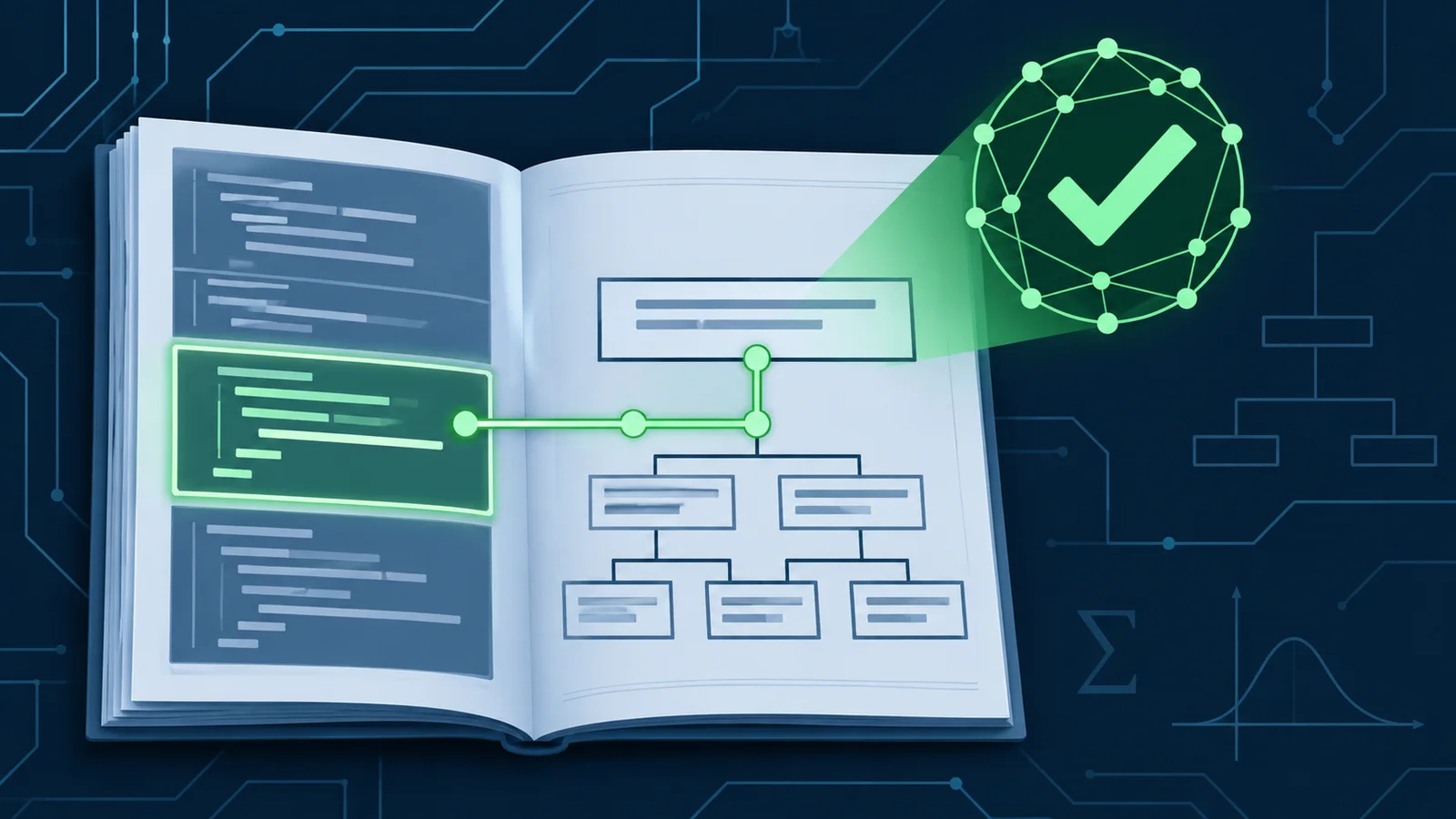
Google DeepMind introduced AlphaProof Code and released Lean proof artifacts that connect specified Signal security properties to an examined machine-code build of libsignal, subject to documented assumptions and exclusions.